
Gas Vs. Electric Pool Heaters: Which Is Better?
A comfortable water temperature can transform an ordinary swim into a relaxing and enjoyable experience, whether you're taking an early morning dip, unwinding after a long day, entertaining family and friends, or extending your swimming season beyond the warmest months of the year. For many pool owners, a reliable heating system makes it possible to enjoy the pool more consistently without being limited by changing weather conditions. Choosing the right pool heater is one of the most important decisions homeowners and property managers can make because it affects not only water comfort but also energy consumption, operating costs, heating performance, maintenance requirements, and the overall efficiency of the pool system.
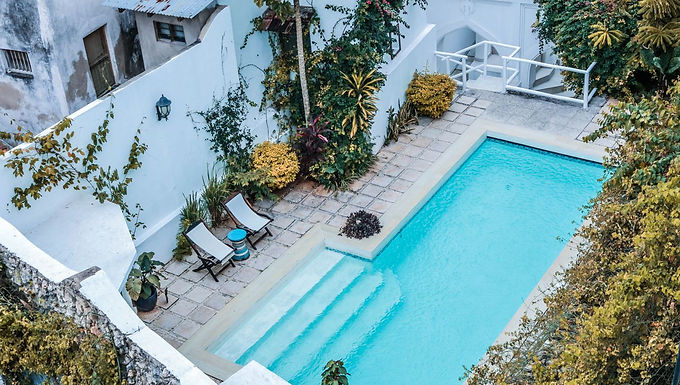
Among the most popular heating options are gas pool heaters and electric pool heaters, often referred to as heat pumps. Although both are designed to warm pool water, they achieve this in very different ways, and each offers distinct advantages depending on your climate, pool size, frequency of use, and budget. A heater that works exceptionally well for one property may not be the most practical choice for another. By understanding how gas and electric pool heaters compare in terms of heating speed, energy efficiency, installation costs, maintenance needs, and long-term value, you can make an informed investment that provides dependable comfort while meeting your specific swimming habits and financial goals.
Key Takeaways
Gas pool heaters heat water much faster than electric heat pumps, making them ideal for occasional swimming or quickly warming pools before use.
Electric heat pumps are generally more energy-efficient and cost less to operate in warm or moderate climates where outdoor temperatures remain consistently mild.
Gas heaters deliver reliable performance in virtually any weather, including cool evenings and colder seasons, because they generate heat through combustion rather than relying on ambient air.
Electric heaters perform best in warmer climates, where they can efficiently extract heat from the surrounding air to maintain comfortable water temperatures.
The total cost of ownership includes more than the purchase price. Installation expenses, energy consumption, maintenance requirements, and expected lifespan should all be considered when comparing heating systems.
Regular maintenance helps maximize performance and longevity for both gas and electric pool heaters while reducing the likelihood of costly repairs and unexpected breakdowns.
The best pool heater depends on your individual needs, including your local climate, how often you use your pool, whether you need rapid heating, and your long-term operating budget.
Understanding How Gas And Electric Pool Heaters Work
Although both gas and electric pool heaters are designed to keep your pool at a comfortable swimming temperature, they generate heat in very different ways. These differences affect everything from heating speed and energy efficiency to installation costs and long-term operating expenses. Understanding how each system works is the first step toward choosing the option that best suits your property's climate, pool usage, and budget.
Gas Pool Heaters
Gas pool heaters produce heat by burning either natural gas or propane. As water circulates through the heater, it passes over a heat exchanger that is warmed by the combustion process. The heated water is then returned to the pool, allowing the water temperature to rise quickly. Because gas heaters create heat directly rather than relying on environmental conditions, they can deliver consistent performance regardless of outdoor temperatures.
Gas heaters are especially popular among pool owners who want rapid heating or who don't use their pools every day. Instead of maintaining a constant temperature around the clock, the heater can quickly warm the pool whenever it's needed.
Gas heaters are often preferred for:
Pools that are used occasionally rather than daily
Rapid heating before parties, family gatherings, or weekend use
Cooler climates where outdoor temperatures fluctuate significantly
Large swimming pools that require faster heating
Attached spas that need to reach higher temperatures quickly
Homes where year-round swimming is desired regardless of weather
Electric Pool Heaters (Heat Pumps)
Electric pool heaters typically operate using heat pump technology. Rather than generating heat through combustion, they capture warmth from the surrounding air and transfer it into the pool water using a refrigeration cycle. This process is similar to how an air conditioner works in reverse.
Because heat pumps move existing heat instead of creating it, they consume considerably less energy under favorable conditions. However, their efficiency depends on outdoor air temperatures, making them best suited for regions with mild or warm climates.
Heat pumps generally perform best:
In moderate or warm climates with consistently mild temperatures
For pools maintained at a steady swimming temperature throughout the season
When energy efficiency and reduced utility costs are priorities
For homeowners seeking lower long-term operating expenses
For pools that remain open for extended periods or year-round in warmer regions
Heating Speed And Performance
One of the biggest differences between gas and electric pool heaters is how quickly they can raise the water temperature. The heating speed can have a significant impact on convenience, especially if your swimming schedule varies from week to week.
Gas Heaters Heat Faster
Gas heaters are well known for their ability to heat pool water rapidly. Because they generate heat directly through combustion, they can increase water temperatures much faster than electric heat pumps. This quick response makes them ideal for homeowners who don't keep their pool heated continuously but want warm water on demand.
Gas heaters are also highly effective for attached spas, where higher water temperatures are typically desired within a short period.
Benefits include:
Fast water heating for spontaneous swimming
Excellent performance for attached spas and hot tubs
Reliable operation during cool evenings and colder months
Consistent heating regardless of outside air temperature
Ideal for occasional or weekend pool use
Electric Heat Pumps Warm Water Gradually
Heat pumps require more time to raise pool temperatures because they transfer existing heat from the surrounding air instead of producing heat directly. While they are slower to heat the pool initially, they excel at maintaining a stable water temperature once the desired level has been reached.
For homeowners who swim frequently or keep their pools heated throughout the season, the gradual heating process is often outweighed by lower energy consumption.
Advantages include:
Stable, consistent water temperatures
Continuous heating with fewer temperature fluctuations
Lower electricity usage compared to gas heaters
Efficient operation during regular daily use
Reduced long-term energy costs in suitable climates
If you prefer maintaining a comfortable pool temperature throughout the swimming season rather than heating it only when needed, an electric heat pump may provide the greatest overall value.
Energy Efficiency And Operating Costs
The initial purchase price of a pool heater is only one part of the overall investment. Over the life of the equipment, monthly utility bills and maintenance expenses often have a much greater impact on the total cost of ownership.
Gas Heater Costs
Gas heaters generally have a lower upfront purchase price than electric heat pumps, making them attractive for buyers looking to minimize initial installation costs. However, because they rely on natural gas or propane, fuel expenses can add up quickly if the heater is used frequently.
Gas heaters generally:
Cost less to purchase initially
Consume more fuel during operation
Produce higher monthly operating costs
Become increasingly expensive when used daily
Offer good value for occasional pool heating
If the pool is only heated periodically—such as for weekend gatherings or special occasions—the increased fuel costs may be offset by the convenience of rapid heating.
Electric Heat Pump Costs
Electric heat pumps typically require a larger initial investment, but their energy efficiency often leads to substantially lower operating expenses over time. Because they transfer heat instead of generating it, they can produce several units of heat for every unit of electricity consumed under favorable conditions.
Heat pumps usually:
Have higher upfront equipment costs
Consume significantly less electricity than gas heaters consume fuel
Produce lower monthly utility bills
Offer excellent long-term energy savings
Become increasingly economical with frequent use
In warm regions where outdoor temperatures remain favorable, electric heat pumps often provide the lowest lifetime operating costs.
Climate Considerations
Climate is one of the most important factors when choosing between a gas heater and an electric heat pump. The local weather directly affects heating efficiency, operating costs, and overall performance.
Gas Heaters
Gas heaters generate their own heat through combustion, allowing them to perform consistently regardless of outdoor conditions. Whether the air is cool, windy, or cold, a gas heater can continue warming the pool at roughly the same rate.
Gas systems are well suited for:
Northern or cooler climates
Cold mornings and evenings
Spring and fall swimming seasons
Homes with year-round pool use
Areas with significant seasonal temperature changes
Electric Heat Pumps
Electric heat pumps depend on warm outside air to operate efficiently. As temperatures decrease, less heat is available for the system to extract, causing performance and efficiency to decline.
Heat pumps perform best when:
Outdoor temperatures remain above approximately 50–60°F
Winters are relatively mild
Pools stay open throughout most of the year
The system operates consistently rather than intermittently
Homeowners prioritize energy savings over rapid heating
In colder climates, heating times become longer, and operating efficiency decreases, making gas heaters the more practical choice in many situations.
Installation And Maintenance Requirements
Regardless of the type of heater you choose, professional installation and regular maintenance are essential for safe, reliable, and efficient operation.
Gas Heater Maintenance
Because gas heaters involve combustion, they contain several components that require periodic inspection to ensure safe performance and optimal efficiency.
Routine maintenance commonly includes:
Burner inspections and cleaning
Heat exchanger cleaning
Gas line inspections
Ventilation system checks
Corrosion prevention
Water flow verification
Seasonal professional servicing
Proper maintenance helps maximize efficiency while reducing the risk of costly repairs.
Electric Heat Pump Maintenance
Electric heat pumps generally have fewer combustion-related components, but they still require regular maintenance to maintain airflow and heat transfer efficiency.
Maintenance typically includes:
Cleaning evaporator coils
Removing leaves and debris around the unit
Inspecting electrical connections
Cleaning fans and air circulation components
Checking refrigerant system performance
Routine seasonal inspections
Although maintenance requirements are generally lighter than those of gas heaters, unrestricted airflow is critical for efficient operation.
Lifespan And Long-Term Value
Both heating systems can provide many years of dependable service when properly maintained, but their expected lifespans and long-term costs differ.
Gas Pool Heaters
Gas pool heaters typically have an average lifespan of 5 to 10 years, depending on water chemistry, maintenance practices, frequency of use, and environmental conditions.
Advantages include:
Rapid heating performance
Lower initial purchase price
Reliable operation during cold weather
Excellent flexibility for occasional use
Ideal for pools with attached spas
Electric Heat Pumps
Electric heat pumps often last 10 to 20 years when properly maintained. Their longer service life and lower operating costs frequently offset the higher purchase price over time.
Advantages include:
Lower long-term operating expenses
Outstanding energy efficiency
Longer equipment lifespan
Reduced environmental impact
Excellent return on investment in warm climates
For homeowners planning to use their pool regularly for many years, the long-term savings of a heat pump can outweigh the higher upfront investment.
Which Pool Heater Is Better For Your Needs?
There is no single "best" pool heater for every property. The ideal choice depends on how often you swim, your local climate, your budget, and whether you prioritize rapid heating or long-term efficiency.
A gas pool heater may be the better choice if you:
Swim only occasionally
Need to heat your pool quickly before use
Live in a cooler climate
Frequently use an attached spa or hot tub
Prefer a lower upfront purchase price
Don't mind somewhat higher monthly operating costs
An electric heat pump may be the better option if you:
Swim several times each week
Live in a warm or moderate climate
Want lower monthly utility bills
Prefer maintaining a consistent pool temperature
Plan to own the property for many years
Value long-term energy efficiency and a smaller environmental footprint
Ultimately, the best pool heater is the one that aligns with your climate, swimming habits, installation budget, expected energy costs, and long-term ownership goals. Carefully weighing these factors can help ensure years of comfortable, efficient, and enjoyable pool use.
Conclusion
Choosing between a gas and electric pool heater ultimately comes down to your swimming habits, local climate, and long-term budget. Gas heaters offer rapid heating, dependable performance in virtually any weather, and the flexibility to warm your pool or spa on demand, making them an excellent choice for occasional swimmers and properties in cooler climates. Electric heat pumps, on the other hand, prioritize energy efficiency, lower operating costs, and longer equipment lifespans, making them particularly well suited for warmer regions where pools are used regularly and maintained at a consistent temperature. Neither system is universally better—the right choice depends on which features matter most for your lifestyle and property.
It's also important to consider more than just the initial purchase price. Installation requirements, monthly energy costs, maintenance needs, expected equipment lifespan, and the amount of time you spend enjoying your pool all contribute to the overall value of your investment. Taking these factors into account can help you select a heating system that delivers reliable comfort while minimizing long-term ownership costs.
Thoughtfully maintained resort-style amenities help create a comfortable and enjoyable swimming environment for residents throughout the year. Whether you're relaxing by the pool, exercising with laps, or spending time with family and friends, properly maintained pool equipment plays an important role in ensuring consistent water temperatures, efficient operation, and a high-quality recreational experience. Understanding how different pool heating systems work also highlights the value of routine maintenance and proactive care in keeping pool equipment operating safely and efficiently for years to come.
FAQs
1. Which Pool Heater Is Cheaper To Operate?
Electric heat pumps are generally less expensive to operate because they transfer existing heat from the surrounding air into the pool rather than generating heat through fuel combustion. In warm climates where outdoor temperatures remain consistently mild, they can provide substantial long-term energy savings. However, actual operating costs will depend on local utility rates, climate conditions, and how frequently the pool is heated.
2. Which Heater Warms A Pool Faster?
Gas pool heaters heat water significantly faster than electric heat pumps. Because they generate heat directly through natural gas or propane combustion, they can quickly raise pool or spa temperatures, making them ideal for homeowners who swim occasionally or want warm water on short notice.
3. Do Electric Pool Heaters Work In Cold Weather?
Yes, electric heat pumps can operate in cooler weather, but their efficiency decreases as outdoor air temperatures drop because there is less ambient heat available to transfer into the pool. They perform best in moderate and warm climates where temperatures generally remain above 50–60°F. In colder regions, gas heaters typically provide more consistent heating performance.
4. Which Type Of Pool Heater Lasts Longer?
With proper installation and regular maintenance, electric heat pumps often have a service life of 10 to 20 years, while gas pool heaters generally last 5 to 10 years. Factors such as water chemistry, frequency of use, environmental conditions, and routine servicing can all affect the lifespan of either system.
5. Are Gas Pool Heaters More Expensive To Maintain?
In many cases, yes. Gas heaters contain burners, heat exchangers, gas lines, ignition systems, and ventilation components that require periodic inspection and servicing. Regular maintenance helps ensure safe operation, maintain heating efficiency, and reduce the likelihood of unexpected repairs.
6. Can I Use A Gas Heater For Both My Pool And Spa?
Yes. Gas pool heaters are commonly installed on systems that serve both a swimming pool and an attached spa. Their ability to rapidly raise water temperatures makes them particularly well suited for spas, where users typically expect hot water within a relatively short period.
7. Is Professional Maintenance Important For Both Heater Types?
Absolutely. Both gas and electric pool heaters benefit from regular professional inspections, cleaning, and preventive maintenance. Routine service helps maximize heating efficiency, extend equipment lifespan, reduce operating costs, identify minor issues before they become major repairs, and ensure the pool heating system continues to operate safely and reliably throughout the swimming season.
.jpg)
Upgrade Your Backyard With Smart Pool Automation & Modern Pool Control Systems
Managing your pool shouldn’t feel complicated or time-consuming. Clear Swim Pool Care helps homeowners simplify pool ownership with professional Pool Automation & Smart Pool System services designed to improve convenience, efficiency, comfort, and control.
Imagine adjusting your pool temperature, lighting, pumps, waterfalls, cleaning systems, and spa features right from your smartphone, whether you’re at home or away. Smart pool automation helps reduce maintenance headaches, improve energy efficiency, and create a more enjoyable swimming experience for your family and guests.
At Clear Swim Pool Care, our certified technicians, licensed by the National Swimming Pool Foundation and trained to the highest PCCR and CPI standards, install and configure advanced pool automation systems tailored to your pool’s specific needs. From automated scheduling and smart lighting controls to remote monitoring and energy-saving equipment integration, we help modernize your pool with reliable, easy-to-use technology.
We also believe pool care should be smarter and more environmentally conscious. Our eco-friendly automation solutions help optimize energy usage, reduce unnecessary waste, and improve the long-term performance of your pool equipment.
Based in Birmingham, Alabama, we proudly serve Hoover, Vestavia Hills, Mountain Brook, and surrounding areas. Whether you want full smart pool integration or simple automation upgrades, Clear Swim Pool Care can help you create a more efficient, connected, and enjoyable backyard experience.
Contact Clear Swim Pool Care today for a free quote and take control of your pool with professional smart pool automation solutions.