
What Is The Virginia Graeme Baker Pool And Spa Safety Act?
Swimming pools and spas are designed to provide relaxation, recreation, exercise, and fun for families, guests, and communities. But beneath the surface, pools also contain hidden mechanical dangers that many owners overlook until something goes wrong. One of the most serious risks involves pool and spa suction systems, particularly faulty or outdated drain covers that can trap swimmers underwater with immense force.
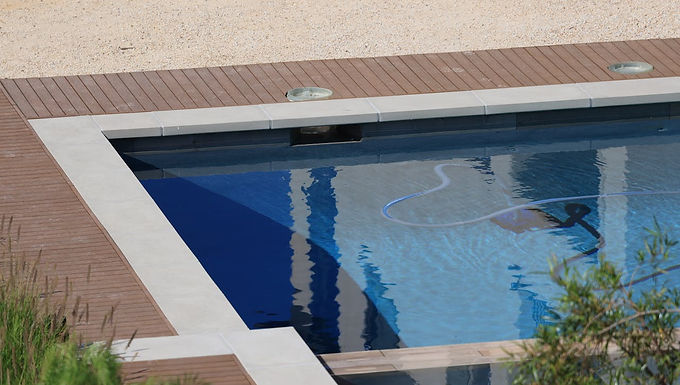
To address these dangers, the United States passed the Virginia Graeme Baker Pool and Spa Safety Act (VGBA), a federal law aimed at preventing suction entrapment injuries and deaths in pools and spas. The law transformed the standards for pool safety equipment, drain cover design, and circulation systems across the country.
For pool owners, understanding the VGBA is not simply about following regulations. It is about protecting swimmers, reducing liability, maintaining safe water circulation systems, and ensuring that pools remain code-compliant. Whether you own a residential pool, manage a hotel spa, operate a community aquatic center, or oversee a commercial property, understanding this law is essential for maintaining a safe swimming environment.
This guide explains what the Virginia Graeme Baker Pool and Spa Safety Act is, why it was created, how it affects pools and spas today, and why regular inspections and drain cover replacements are critical for swimmer safety.
Key Takeaways
The Virginia Graeme Baker Pool and Spa Safety Act is a federal law focused on preventing pool and spa suction entrapment injuries and deaths.
The law requires compliant anti-entrapment drain covers in public pools and spas.
Damaged, broken, loose, or outdated drain covers can create severe safety hazards.
Suction entrapment can involve hair entanglement, limb entrapment, body suction, or evisceration injuries.
VGBA compliance includes proper drain cover installation, regular inspections, and approved anti-entrapment systems.
Commercial pools and spas must follow strict federal safety standards.
Residential pool owners are strongly encouraged to follow VGBA safety recommendations even when not legally required.
Routine inspections and timely drain cover replacement help prevent accidents and maintain code compliance.
Pool safety upgrades can reduce liability exposure and protect swimmers of all ages.
Professional pool inspections help identify unsafe or outdated equipment before problems become emergencies.
The Story Behind The Virginia Graeme Baker Pool And Spa Safety Act
The law is named after Virginia Graeme Baker, a seven-year-old girl who tragically died in 2002 after becoming trapped by the suction of a hot tub drain. Despite multiple adults attempting to free her, the force of the drain suction was too strong.
Her death drew national attention to the hidden dangers of pool and spa drains. Investigations revealed that suction entrapment accidents were not isolated incidents. Similar tragedies had occurred across the country, often involving children in spas, pools, and water attractions.
Following years of advocacy by Virginia’s family and water safety organizations, Congress passed the Virginia Graeme Baker Pool and Spa Safety Act in 2007. The law became enforceable in 2008 under the oversight of the Consumer Product Safety Commission (CPSC).
The goal of the law was clear: reduce suction entrapment hazards through improved safety standards, safer drain covers, and mandatory anti-entrapment protections.
Understanding Suction Entrapment
To understand why the VGBA matters, pool owners first need to understand suction entrapment itself. Pool circulation systems constantly pull water through drains and skimmers. This suction keeps water moving through filters, heaters, sanitizers, and pumps. While circulation is essential for clean water, improperly protected drains can create dangerous forces. There are several forms of suction entrapment.
Body Entrapment: Body entrapment occurs when a swimmer’s torso or back seals against a drain opening. The suction force can pin the swimmer underwater, making escape impossible without shutting off the pump system.
Hair Entrapment: Long hair can become tangled in damaged or improperly designed drain covers. Even moderate suction can hold hair underwater and prevent swimmers from resurfacing.
Limb Entrapment: Arms, legs, fingers, or toes may become stuck in open or broken drain fittings, especially when drain covers are missing or cracked.
Mechanical Entrapment: Swimsuits, jewelry, or accessories can become caught in drain openings or damaged covers.
Evisceration Injuries: One of the most severe forms of suction injury involves direct suction force against the intestines through the rectum. Though rare, these injuries are catastrophic and often fatal.
These incidents can happen in seconds and often occur silently without immediate warning signs.
Why Drain Covers Matter
Drain covers are one of the most important components in preventing suction entrapment. Modern VGBA-compliant drain covers are specifically engineered to reduce suction hazards. Their designs help distribute water flow, minimize direct suction pressure, and prevent hair or limbs from becoming trapped.
Drain covers are not permanent equipment. Over time, they can:
Crack from UV exposure
Warp due to chemical damage
Become brittle with age
Loosen from vibration
Break from impact
Corrode internally
Lose manufacturer certification
Become unsafe due to outdated standards
A damaged or expired drain cover can quickly turn a pool or spa into a dangerous environment. Many pool owners assume that if a drain cover “looks okay,” it must still be safe. Unfortunately, hidden structural weakness or outdated compliance ratings may mean the cover no longer provides adequate protection. This is why regular inspections and timely replacement are essential parts of pool safety compliance.
What The VGBA Requires
The Virginia Graeme Baker Pool and Spa Safety Act established several important safety requirements for public pools and spas.
VGBA-Compliant Drain Covers
Public pools and spas must use drain covers that meet federal anti-entrapment performance standards established by the ANSI/APSP regulations and approved by the CPSC. These drain covers are tested to withstand specific flow rates, pressure loads, and entrapment prevention standards.
Anti-Entrapment Systems
Certain pools, especially those with a single main drain, must also use additional anti-entrapment systems, such as the following:
Safety vacuum release systems (SVRS)
Suction-limiting vent systems
Gravity drainage systems
Automatic pump shutoff systems
Drain disablement systems
Multiple drain configurations
These systems are designed to reduce suction pressure or shut off circulation equipment if a blockage occurs.
Proper Installation
Drain covers must be installed exactly according to the manufacturer's instructions, including screw types, torque specifications, and flow ratings. Improper installation can void compliance and create safety hazards.
Maintenance And Replacement
Drain covers must be inspected regularly and replaced before their expiration dates. Most VGBA-compliant drain covers have manufacturer-rated lifespans. Once that lifespan expires, the cover should be replaced even if no visible damage is present.
Does The VGBA Apply To Residential Pools?
The federal law primarily applies to public pools and spas, including:
Hotels
Apartment complexes
Community pools
Schools
Gyms
Water parks
Municipal aquatic centers
Health clubs
Resorts
Residential pool owners should not assume they are exempt from safety concerns. Many suction entrapment incidents occur in private residential pools and spas. While federal enforcement may focus on commercial facilities, homeowners still face serious safety risks and potential liability exposure if unsafe equipment contributes to injuries.
For that reason, many pool professionals strongly recommend that residential pools also follow VGBA safety practices, including:
Installing compliant drain covers
Replacing expired drain covers
Using anti-entrapment devices
Scheduling regular inspections
Maintaining circulation systems properly
Swimmer safety should always take priority over minimum legal requirements.
Why Older Drain Covers Are Dangerous
One of the biggest misconceptions among pool owners is that older drain covers are still acceptable if they remain intact. In reality, aging drain covers may no longer meet modern safety standards even if they appear functional.
Older drain covers often lack the following:
Modern anti-vortex designs
Hair entanglement resistance
Updated flow capacity ratings
Structural durability standards
Certified anti-entrapment performance
In some cases, older covers may also have hidden cracks or weakened attachment points that can fail unexpectedly. Pools built before the VGBA was enacted are especially likely to contain outdated components. Routine inspections help identify these hazards before accidents occur.
Signs Your Drain Covers May Need Replacement
Pool owners should watch for warning signs that indicate drain covers may be unsafe or nearing replacement.
Visible Cracks or Damage: Any crack, break, or missing piece can compromise safety performance.
Loose Or Missing Screws: Drain covers must remain securely attached at all times.
Fading or Brittleness: UV exposure and chemicals can weaken plastic components over time.
Missing Manufacturer Labels: If the drain cover no longer displays certification or flow information, it may be difficult to verify compliance.
Expired Lifespan: Many drain covers are rated for specific service periods, often between five and seven years.
Warping or Deformation: Heat and chemical exposure can distort the drain cover shape and reduce effectiveness.
Unusual Suction Strength: If swimmers notice excessive suction near drains, the system may require inspection.
When in doubt, a professional evaluation is the safest option.
The Role Of Professional Pool Inspections
Professional pool inspections play a major role in maintaining VGBA compliance and overall pool safety.
During an inspection, trained technicians can evaluate the following:
Drain cover condition
Drain cover certification
Installation integrity
Circulation system performance
Pump flow rates
Anti-entrapment systems
Safety vacuum release systems
Plumbing configurations
Compliance documentation
Inspections help identify hidden hazards before they lead to accidents, violations, or costly repairs. Professional assessments also provide peace of mind for homeowners, property managers, and commercial facility operators.
How Drain Cover Replacement Supports Pool Safety
Drain cover replacement is one of the simplest and most effective ways to improve swimmer safety.
Replacing outdated or damaged drain covers can:
Reduce entrapment risks
Improve compliance with safety standards
Restore proper water circulation
Reduce liability concerns
Improve swimmer confidence
Support insurance requirements
Prevent emergency closures
Protect children and vulnerable swimmers
Many pool owners underestimate how critical this relatively small component is to overall pool safety. A proactive replacement schedule helps avoid emergencies while keeping the pool safer for everyone.
Common Pool Compliance Mistakes
Pool owners sometimes unintentionally violate safety standards due to misunderstandings about VGBA requirements.
Assuming Residential Pools Are Risk-Free: Private pools can still experience dangerous entrapment incidents.
Ignoring Drain Cover Expiration Dates: Drain covers should be replaced according to manufacturer guidelines.
Using Incorrect Replacement Parts: Drain covers must match approved flow rates and installation requirements.
DIY Installation Errors: Improper installation can create hidden safety hazards.
Failing to Document Maintenance: Commercial facilities often need records of inspections and replacements.
Overlooking Secondary Anti-Entrapment Systems: Single-drain systems may require additional safety devices.
Avoiding these mistakes helps maintain a safer swimming environment.
How The VGBA Improved Pool Industry Standards
The Virginia Graeme Baker Pool and Spa Safety Act changed the pool industry in significant ways. Before the law, safety standards varied widely, and many pools lacked adequate anti-entrapment protections. Today, manufacturers, contractors, inspectors, and service companies operate under much stricter safety expectations.
The law encouraged improvements in:
Drain cover engineering
Circulation system design
Pool inspection procedures
Safety education
Public awareness
Code enforcement
Pool equipment manufacturing
As a result, many dangerous drain designs have been eliminated from modern pools and spas.
Why Pool Safety Education Matters
Even the best safety equipment cannot replace informed pool ownership.
Pool owners should understand the following:
How circulation systems work
Why drain covers matter
When equipment needs replacement
What warning signs to watch for
How to respond during emergencies
Why routine inspections are important
Education helps prevent complacency. Many serious accidents happen because owners assume their equipment is safe without verifying compliance or condition. Regular maintenance and safety awareness help reduce these risks significantly.
Safety Tips For Pool And Spa Owners
Pool owners can improve safety by following several practical guidelines.
Schedule Regular Inspections: Professional evaluations help identify problems early.
Replace Drain Covers On Time: Never wait for visible failure before replacing drain covers.
Supervise Children Closely: Children are especially vulnerable to suction entrapment accidents.
Avoid Using Pools With Missing Covers: Never allow swimmers into a pool or spa with missing or damaged drain covers.
Maintain Proper Water Chemistry: Balanced water helps protect equipment from premature deterioration.
Keep Maintenance Records: Documentation supports compliance and accountability.
Upgrade Older Equipment: Modern safety systems provide stronger protection than outdated designs.
Commercial Pool Liability And Safety Compliance
Commercial pool operators face significant responsibility when maintaining public swimming facilities.
Failure to comply with safety regulations can result in:
Fines
Pool closures
Insurance complications
Legal liability
Lawsuits
Reputation damage
Increased injury risk
Routine inspections, documented maintenance, and timely safety upgrades help reduce these risks. For hotels, apartment complexes, schools, and community facilities, swimmer safety is both a legal responsibility and a customer trust issue.
The Importance Of Preventive Maintenance
Preventive maintenance is one of the most cost-effective ways to manage pool safety. Waiting until a drain cover fails can lead to emergency repairs, unexpected closures, or serious accidents.
Preventive maintenance programs help:
Identify wear early
Extend equipment life
Reduce repair costs
Improve compliance
Minimize downtime
Protect swimmers
A small investment in routine maintenance can prevent major safety incidents later.
How Modern Drain Cover Technology Has Improved
Drain cover technology has evolved significantly since the VGBA became law.
Modern drain covers often include the following:
Anti-vortex designs
Domed configurations
Hair management features
Improved structural materials
Higher flow capacity
Enhanced fastening systems
Longer-lasting UV-resistant materials
These advancements help reduce entrapment risks while improving circulation efficiency. Even modern drain covers require routine inspection and replacement over time.
Why Pool Owners Should Not Delay Safety Upgrades
Some pool owners postpone safety upgrades because the equipment still appears functional. Unfortunately, visible appearance alone does not guarantee safety.
Delaying drain cover replacement or anti-entrapment upgrades can increase the risk of:
Equipment failure
Entrapment accidents
Regulatory violations
Insurance issues
Costly emergency repairs
Swimmer injuries
Addressing safety concerns proactively helps avoid larger problems later. Pool safety upgrades are not merely optional improvements. They are critical investments in swimmer protection.
Working With Qualified Pool Professionals
Pool safety compliance often requires technical expertise.
Qualified pool professionals can help with:
Drain cover inspections
VGBA compliance evaluations
Safety system upgrades
Drain cover replacement
Circulation system assessments
Code compliance guidance
Maintenance scheduling
Emergency repairs
Experienced technicians understand current safety standards and can identify hazards that may not be obvious to pool owners. Partnering with knowledgeable professionals helps ensure that safety improvements are completed correctly.
The Connection Between Pool Safety And Customer Trust
For commercial properties, pool safety directly impacts customer confidence. Guests, residents, and families expect swimming facilities to be safe, clean, and properly maintained. Visible safety measures, routine maintenance, and code-compliant systems demonstrate professionalism and responsibility. In contrast, neglected equipment or unsafe conditions can quickly damage trust and create liability concerns. A strong commitment to pool safety reflects positively on the entire property or business.
Long-Term Benefits Of VGBA Compliance
Complying with the Virginia Graeme Baker Pool and Spa Safety Act provides long-term benefits beyond regulatory compliance.
Improved Swimmer Safety: The primary goal is to reduce injuries and fatalities.
Reduced Liability Exposure: Safer pools help minimize legal and insurance risks.
Better Equipment Performance: Modern systems often improve circulation efficiency.
Lower Emergency Repair Costs: Preventive maintenance reduces unexpected failures.
Stronger Reputation: Well-maintained pools build trust with guests and residents.
Greater Peace of Mind: Owners gain confidence knowing their systems are properly maintained.
VGBA compliance ultimately supports safer, more reliable swimming environments.
Conclusion
The Virginia Graeme Baker Pool and Spa Safety Act transformed pool safety standards across the United States by addressing one of the most dangerous hidden hazards in pools and spas: suction entrapment.
The law established critical requirements for compliant drain covers, anti-entrapment systems, and safer circulation equipment. More importantly, it raised awareness about the importance of proactive pool safety maintenance and regular inspections.
Damaged, outdated, or improperly installed drain covers can place swimmers at serious risk. That is why routine inspections, timely replacements, and professional safety evaluations are essential for maintaining a safe pool environment.
Whether you own a residential pool, manage a commercial facility, or operate a public aquatic center, investing in pool safety protects swimmers, supports compliance, and reduces liability risks.
Pool safety is never something to postpone. Modern drain covers, proper maintenance, and code-compliant systems help create safer swimming experiences for everyone who enters the water.
Frequently Asked Questions
1. What Is The Purpose Of The Virginia Graeme Baker Pool And Spa Safety Act?
The purpose of the VGBA is to prevent suction entrapment injuries and deaths in pools and spas by requiring safer drain covers and anti-entrapment systems.
2. Does The VGBA Apply To Residential Swimming Pools?
The federal law mainly applies to public pools and spas, but residential pool owners are strongly encouraged to follow the same safety practices to protect swimmers and reduce risks.
3. What Happens If A Pool Has A Damaged Or Missing Drain Cover?
A damaged or missing drain cover creates serious suction entrapment hazards that can lead to severe injury or drowning. Pools should never be used until the issue is professionally repaired.
4. Why Should I Schedule A Professional Pool Safety Inspection?
Professional inspections help identify outdated equipment, damaged drain covers, circulation system issues, and compliance concerns before they become dangerous or costly problems.
5. Do Residential Pool Owners Need To Follow VGBA Rules?
Residential pools are not always legally required to comply, but safety experts strongly recommend following VGBA standards. Many suction entrapment incidents occur in private pools, so using compliant drain covers and safety systems is still highly advised.
.jpg)
Protect Your Pool With Safe, Professional Drain Cover Replacements
Cracked, loose, or outdated drain covers can create serious safety risks for swimmers and lead to costly code violations if ignored. Clear Swim Pool Care helps homeowners protect their pools through professional drain cover replacement services that improve safety, performance, and peace of mind.
Imagine enjoying your pool knowing the drains, suction outlets, and safety covers are secure, compliant, and built to help protect your family and guests every time they swim. Proper drain cover maintenance plays a major role in preventing entrapment hazards, improving water circulation, and keeping your pool system operating safely.
At Clear Swim Pool Care, our certified technicians, licensed by the National Swimming Pool Foundation and trained to the highest PCCR and CPI standards, inspect and replace worn, damaged, or outdated drain covers using high-quality, safety-compliant products. We carefully evaluate your pool’s drain system to help reduce risks, improve efficiency, and maintain proper pool safety standards.
We also believe pool care should be smarter and more environmentally conscious. Our eco-friendly service methods help maintain safer pool systems while protecting your equipment and reducing unnecessary waste.
Based in Birmingham, Alabama, we proudly serve Hoover, Vestavia Hills, Mountain Brook, and surrounding areas. Don’t wait for damaged drain covers to become a bigger safety issue. Let Clear Swim Pool Care help keep your pool protected, compliant, and swim-ready year-round.
Contact Clear Swim Pool Care today for a free quote or professional pool safety inspection and enjoy greater confidence every time you step into your pool.